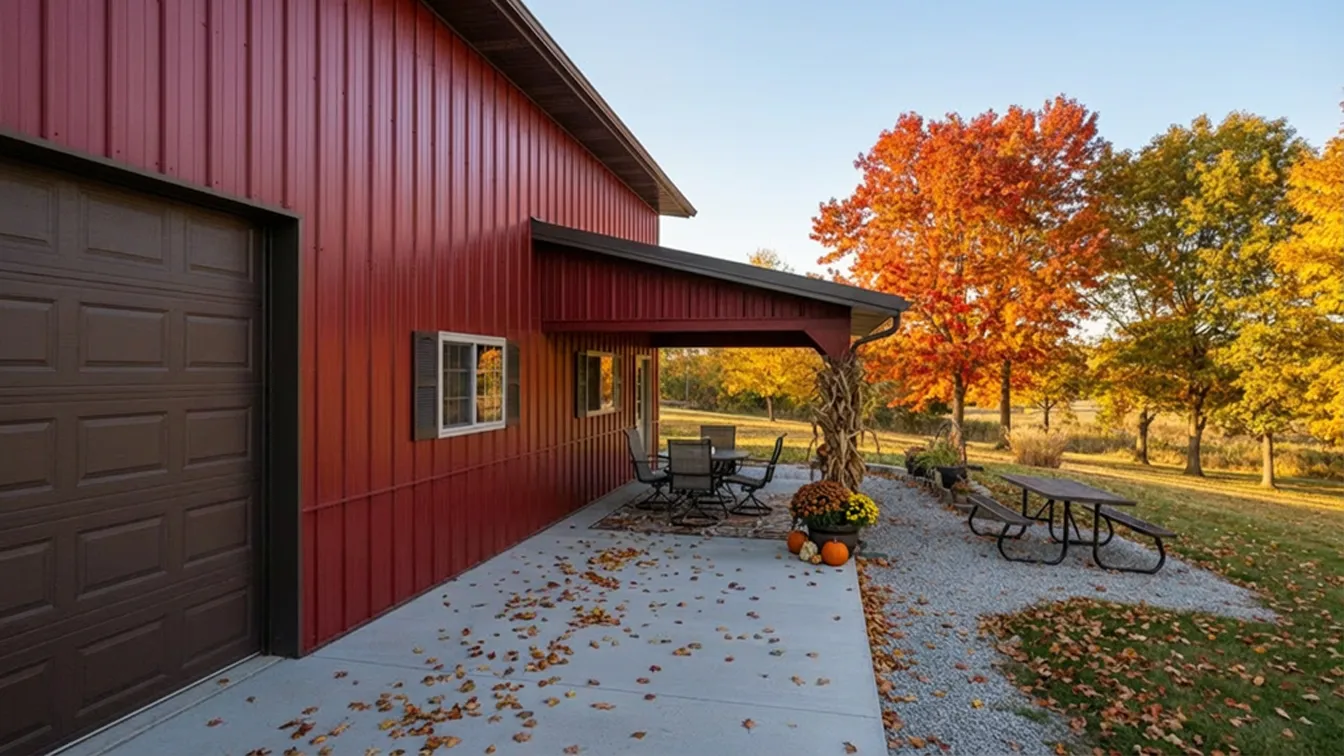
The evolution of construction materials over the decades has been nothing short of revolutionary. In the past, buildings primarily relied on wood, stone, and traditional masonry. However, the past few decades have seen considerable advancements in the materials used for construction, with steel emerging as one of the leading choices for modern projects. This shift towards more innovative materials has been driven by a need for greater efficiency, sustainability, and versatility in construction practices.
The Evolution of Steel in Construction
Steel is no longer just a material used for skyscrapers and bridges. It has found its way into virtually all aspects of construction, from residential homes to commercial warehouses. The journey of steel becoming a staple in the construction industry is an intriguing one, marked by technological advances and shifts in design philosophy.
In the early 20th century, steel began to gain traction as a preferred material due to its durability, strength, and flexibility. These characteristics allowed architects and engineers to design structures that were not only strong but also aesthetically pleasing. The post-war era saw a boom in steel production, significantly lowering costs and making it more accessible for various construction projects.
The Benefits of Using Steel
There are numerous benefits to using steel in construction, which have continued to propel its popularity. Some of these benefits include:
- Durability: Steel structures can withstand extreme weather conditions, including heavy snow, strong winds, and even seismic activities. This makes it a prime candidate for Canadian construction, where the climate can be quite challenging.
- Versatility: Steel can be molded into various shapes and sizes, allowing for much greater design flexibility compared to traditional materials like wood or concrete.
- Sustainability: Steel is 100% recyclable, making it an environmentally friendly option. The energy required to recycle steel is significantly less than that needed to produce it from raw materials, contributing to reduced carbon footprints.
- Efficiency: Steel frame constructions typically take less time to erect than those using other materials, leading to lower labor costs and shorter project timelines.
Modern Applications of Steel in Construction
Today, steel is utilized in a variety of innovative ways that showcase its versatility. One of the emerging trends is the use of pre-engineered steel buildings. These structures are not only efficient but are also cost-effective and highly customizable.
Residential and Commercial Steel Buildings
Homeowners and businesses alike are turning to steel construction for cost-effective solutions. Residential steel buildings provide strength and reliability that outperform traditional wooden houses. Meanwhile, businesses are opting for steel due to the speed of construction and the ability to customize space according to their operational needs.
Versatile Steel Kits
One particular product gaining attention is the 30 x 40 shop offered by many Canadian providers. These ready-to-assemble kits provide ample space for workshops, garages, or even small commercial operations. Designed for simplicity and efficiency, these kits cater to the rising demand for quick-to-build and cost-effective construction solutions.
The Role of Steel in Sustainable Construction
As sustainability becomes a crucial consideration in construction projects worldwide, steel’s role cannot be overlooked. The ability to recycle steel without degradation of its properties ensures that it remains a sustainable option for the future. Moreover, pre-engineered steel buildings reduce waste during the construction process, contributing to environmentally responsible building practices.
Innovations in material coatings also ensure that steel structures are more resistant to corrosion, extending their lifespan and minimizing the need for frequent repairs or replacements. This durability further enhances the sustainability factor by reducing the resources required for maintenance over the life span of the building.
Working with Experts
When embarking on a construction project using steel, it’s essential to partner with experienced professionals. Companies like Your Building Team provide expertise and extensive options in steel building kits and components. Their knowledge ensures that your project meets all structural and aesthetic requirements, combining modern design with industry-leading quality.
The Future of Steel in Construction
With the ongoing advancements in technology and design, the future of steel in construction looks promising. As automation and precision manufacturing techniques evolve, the efficiency and affordability of steel buildings will continue to improve. This will further encourage the adoption of steel in both small and large-scale construction projects.
Furthermore, as the construction industry places more emphasis on reducing environmental impacts, steel’s recyclability and efficiency will be invaluable. The integration of smart technology into steel constructions can also usher in an era where buildings are not just structures, but intelligent systems contributing to greener urban environments.
Conclusion
The rise of modern construction materials, especially steel, marks a significant shift in how we approach building design and execution. With advancements in technology and an increasing awareness of sustainable building practices, steel is set to remain at the forefront of the construction industry. As Your Building Team and similar experts guide Canada through these changes, we look forward to a landscape where strength meets sustainability, ushering in an era of modern and responsible construction.