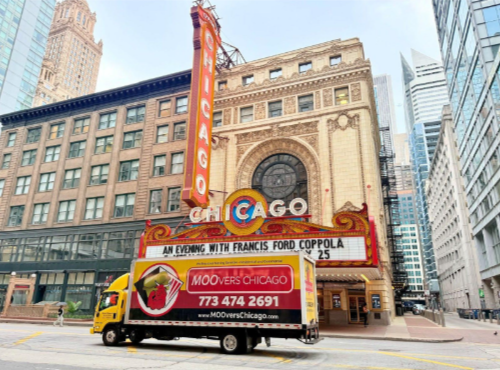
When we think of a successful night at the theatre, we picture the curtain rising on an immersive world. This world features intricate, multi story set designs, perfectly calibrated lighting grids, and historic, fragile props that ground the story in reality. Yet, some of the most critical choreography in the performing arts happens long before opening night, outside the stage door.
The “load-in,” the high-stakes process of transporting physical production assets from storage facilities or construction shops into a performance venue, is an intricate logistics challenge. For independent theatre spaces, touring companies, and arts institutions across Chicago, execution during this window can make or break a production budget.
Here is a look at why the performing arts sector is increasingly moving away from casual transport options, relying instead on sophisticated logistics frameworks to protect creative assets.
- Navigating Urban Venue Friction
Chicago’s rich theatrical landscape is built on architectural history. From historic playhouses in the Loop to converted storefront spaces in Lakeview, many venues present significant structural constraints.
- The Challenges: Tight alleyways, historic loading docks built for an earlier era, strict neighborhood parking regulations, and non-standard door dimensions.
- The Solution: Success requires precise local market intelligence. Professional commercial moving teams must treat a venue load-in like an opening night performance, mapping out spatial clearances and timed arrivals to avoid costly city fines or idling delays that disrupt production schedules.
- Safeguarding Irreplaceable Creative Capital
Unlike standard commercial inventory, theatrical cargo is often irreplaceable. Custom-built set pieces represent hundreds of hours of specialised carpentry, while vintage wardrobe collections and antique stage properties cannot simply be reordered from a catalogue if damaged in transit.
To mitigate risk, modern production managers look for fleet capabilities that mirror those used by elite art movers. This includes the use of advanced vehicle telematics and real-time fleet monitoring to ensure smooth transit over city streets. Utilising asset-protection systems minimizes the vibration and shifting that threaten fragile canvas flats, structural scaffolding, and delicate internal lighting elements.
- The Tight Window: Load-In and Load-Out Speed
In the performing arts, time is a non-renewable resource. Venues operate on tight calendar turnarounds where dark days (days without a performance) cost money. A typical production crew might have less than 48 hours to complete a full load-in, assemble the set, hang lighting instruments, and run tech rehearsals.
An unorganized transport pipeline creates a domino effect: if the trucks arrive late or are packed inefficiently, the stage crew stands idle while the clock ticks on union labor rates. Partnering with a vetted, top-tier service provider like Moovers Chicago guarantees that transit timelines align perfectly with crew calls, keeping the entire technical schedule on track.
- What Production Managers Should Look For in a Logistics Partner
When vetting a transport partner to handle a production’s physical assets, arts organizations should look past basic pricing and look for proven operational markers:
- Accountability Metrics: Look for companies recognized for exceptional standards, such as BBB Torch Awards for Ethics or high regional growth rankings, which indicate a stable, well-maintained fleet.
- Full Chain of Custody: Ensure the company uses integrated onboard security and camera systems to provide a clear, indisputable record of asset handling from the workshop to the stage.
- Deep Review Volume: Look for a track record of consistent, long-term service across the Chicago metropolitan area rather than unverified, third-party testimonials.
Ultimately, theatre is an industry built on collaboration. By treating the transport and load-in process with the same rigorous standards applied to casting or direction, production teams can protect their financial investments and ensure that when the house lights dim, the focus remains entirely on the magic on stage.