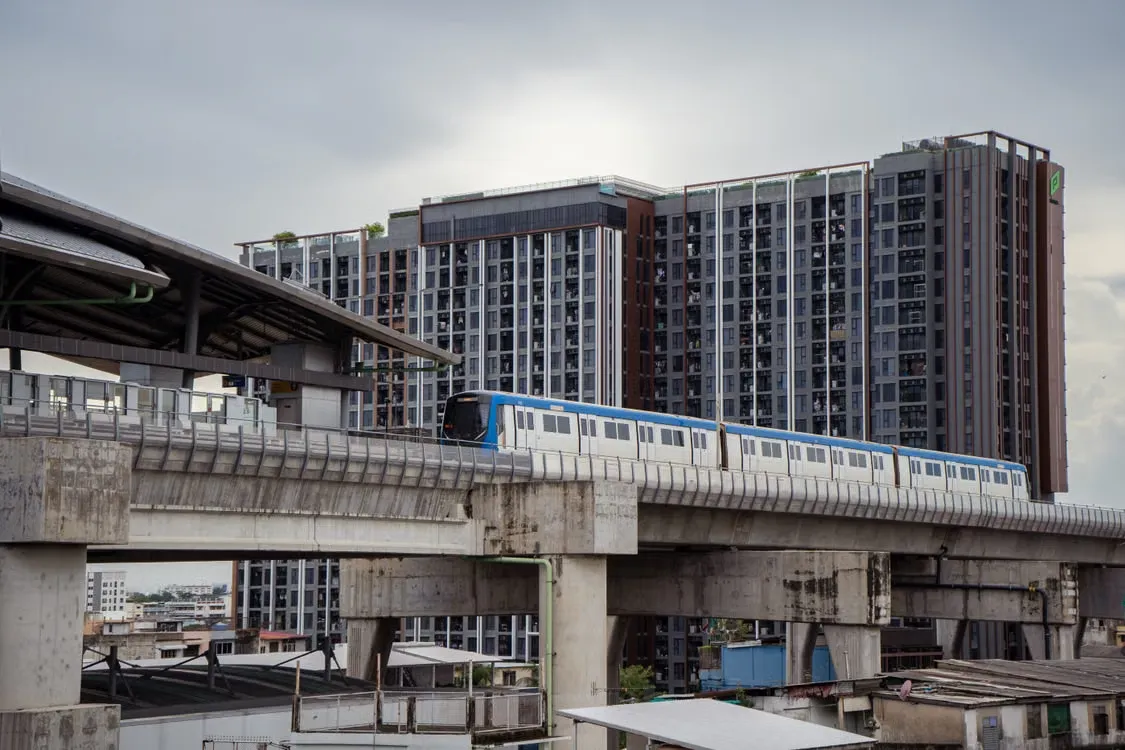
Ask any commuter what matters most and the answer is rarely a pool. It is the walk to the train. Ten minutes in the rain feels long. For buyers weighing Linktown Residences, transport links shape daily life far more than most brochure photos do.
Good access is not only about distance on a map. Shelter, crossings, bus timing and crowd levels all matter. This article shows how to read the transport picture around a new home, and which small checks save big trouble later. Grab your phone and a bottle of water.
Walking Routes to the Station
Map distance lies. A station that looks close can hide a long detour around a fence or a busy road. For anyone eyeing Lentor Signature, the best test is simple: walk the route yourself, at the same hour you would commute, and time it with a watch.
Look for covered walkways, crossings with lights and even pavements. Rain here comes without warning, and a shelter turns a grumpy trip into a normal one. Check lighting for late evenings too. A path that feels fine at noon can feel lonely at ten p.m. Think of late shifts.
Bus Services and Feeder Links
Buses fill the gaps trains leave. A stop near the gate, with several routes, gives choice when one line is slow. Check which services run, how often, and until what hour. Frequency beats coverage. A bus every five minutes beats three that turn up twice an hour.
Feeder buses linking neighbourhoods to the nearest station are a quiet blessing, especially for older residents and kids heading to school. Both Linktown Residences and Lentor Signature households should look at the bus stop position, whether it is sheltered, and how many seats it has. Small things, used daily.
Rail Lines and Easy Transfers
Train access is not only about one station. Which line does it sit on, and where does that line go? A direct ride to work beats a faster one with two changes. Each transfer adds waiting, stairs and risk of delays. Count them. Do it for your own route.
Rail lines in a growing area also tie into wider networks, so a single ride can reach shopping hubs, workplaces or big hospitals. Check official maps and planned extensions, since networks keep growing. A line that is only drawn on a plan is not a line you can ride yet. Dates can slip.
Last Mile Cycling and Rides
The last stretch decides the mood. Many people cycle or scoot the final kilometre, so look for bike paths, parking racks and safe crossings. Storage at home helps too. A small bike that has to live in the lift lobby will not stay a habit for long.
Taxis and ride hailing fill the gaps at odd hours. Check the pick up point at the condo gate, because a clear bay keeps traffic moving and drivers happy. Heavy rain, a late flight or a sick child can make a quick ride worth every dollar. It helps to know the option is nearby.
Rush Hour Reality Checks
Quiet midday visits can fool you. Go back at eight in the morning and six in the evening. Watch the queues at stations and bus stops. See how packed the platforms get, and whether trains are full before they even reach the area.
Road traffic matters too, even for people who take trains. Jams on nearby roads slow buses, delivery vans and taxis. Ask neighbours at the bus stop how things go, because most will happily tell you. Locals know which corner jams first and which shortcut saves five minutes. Free advice.
Weighing Time and Daily Costs
Add up the whole trip. Door to door, including waiting, walking and transfers, is the number that counts. A twenty minute ride can become forty once you add the extras. Ask yourself how that feels five days a week, for years. Do the sum honestly.
Money counts too. Monthly fares, the odd taxi and maybe a lower need for a car all change the real cost of living somewhere. Some households can skip a second car entirely, which saves loan payments, insurance and parking. Compare, then decide. Good transport is a quiet kind of wealth.
Conclusion
Transport access is easy to praise and hard to measure, so measure it yourself. Walking routes, bus frequency, rail connections and last mile options all work together. When each link is solid, daily travel fades into the background, which is exactly where it belongs.
Visit at rush hour, time the walk, ride the line once. Talk to people waiting at the stop. A home that connects well gives back hours every month, and hours are worth more than almost any fancy fitting. Quietly, it adds up.
At a Glance
- Good transport access encompasses walking routes, bus services, rail lines, and last-mile options, all of which contribute to overall daily commuting experience.
- Potential buyers should personally walk the route to the train station at their usual commuting hour to accurately assess the time and conditions.
- Bus stops should be evaluated for proximity, route options, and shelter, as frequent service can significantly enhance transportation convenience.
- Rail access is determined not just by the nearest station, but also by the efficiency of the train line and the number of necessary transfers.
- Rush hour visits are critical for understanding real traffic and crowd conditions, especially regarding station queues and bus stop occupancy.
- Calculating both time and costs (including commuting extras) is essential for a realistic evaluation of living with a particular transport link.