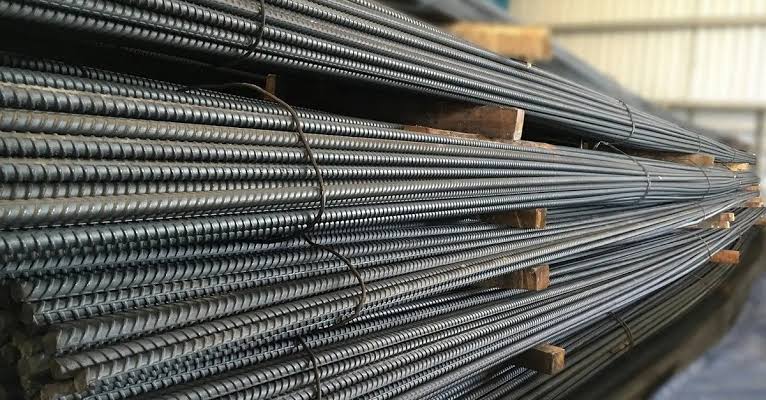
Reinforcement bar is a key building material for concrete. It is used for the strength that keeps buildings, bridges, slabs and more constructions going. On-site, improperly stored, and handled materials can corrode, contaminate, or waste away without ever being installed.
While working with a reliable reinforcing bar supplier in Melbourne is a good starting point, maintaining the quality of the steel also requires proper practices on site.
Why Corrosion is a Concern?
Steel reinforcement is meant to function in concrete − where it stays sheltered from moisture and air. However, before installation, reinforcing bars are untethered to the elements that could promote rust when stored improperly.
Since corrosion may influence the surface state of the metal, you may need to closely evaluate it if there is too much harm before using. Limiting undesired exposure prevent product spoilage and lets project slip less.
Store Reinforcing Bar Above Ground
Never allow the bottom of reinforcing bars to rest on soil or wet surfaces. Excessive ground moisture can give rise to corrosion and contamination.
Good storage practices include:
- Stacking bars in between timber sleepers or steel frames
- Keeping materials off muddy ground
- Using level storage areas
- Separating different bar sizes
- Allowing easy access for handling
Keeping the reinforcement elevated also creates a safer and more efficient material handling process.
Protect Steel from Excess Moisture
It is important to note that while reinforcing bar is made for tough conditions on a construction site, extended exposure to standing water should be avoided.
If materials are needed to be stored outside for an extreme period of time think about the following:
- With breathable top protection sheets covering the bundles
- Allowing air circulation beneath covers
- Not accumulating water on stored materials
- Sharing safe experiences of inspecting stored steel after heavy rain
Since perfectly closed coverings can enable dampness to escape, followed ventilation is vital.
Handle Reinforcing Bar Carefully
Not handling it properly could either ruin these reinforcing bars or pollute them in a way that compromises their virtue.
Workers should avoid:
- Dragging bars across rough surfaces
- Dropping bundles from height
- Storing steel near chemicals
- Mixing damaged and undamaged stock
An experienced deformed bar supplier is also an expert in safe transport and handling depending on the type of reinforcement supplied.
Organise Stock for Efficient Use
Storage areas that are well-organised eliminate confusion and help prevent movement of materials around the site where this is not necessary.
Simple practices include:
- Labelling bundles clearly
- Storing similar sizes together
- Rotating older stock first
- Keeping delivery records organised
A good organisation saves time and reduces the risk of any unintentional harm during construction.
Inspect Materials Before Installation
Check that the condition of reinforcement bars, and thus, shall ensure they are in a condition suitable prior to installation.
Before putting the steel into the concrete structure, builders tend to inspect for excessive rust, physical damage, contamination, or improper identification which can be caused due to lack from a trustworthy reinforcing bar supplier in Melbourne.
Conduct early inspections to prevent delays later in the project.
Work with Quality Suppliers
It all starts with how to establish high-quality of materials by determining right suppliers. Such a deformed bar supplier with professional supply lines will have the industry know-how to get the supplies right, working within Australian standards while also advising best practices in storage transport and handling throughout your construction project.
Stable supply and IT assistance also assist builders to take care of the best quality at every step of the artwork.
Final Thoughts
Proper storage and handling are very important to ensure that reinforcing bar does not corrode unnecessarily before installation. Steel kept off the ground, away from moisture, handled with care, and inspected before being used leads to better construction. And such simple practices, together with high-grade materials you can get from reliable suppliers, keep the strength of reinforced concrete structures and ensure their long-term serviceability.